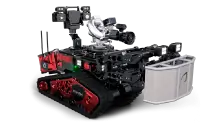
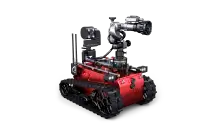
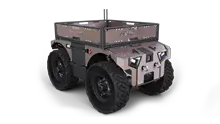

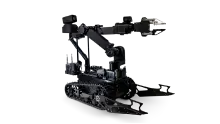



The reopening of Notre-Dame de Paris is a symbolic event, taking us back to the night of April 15, 2019, when flames threatened to destroy the famous cathedral. The devastating Notre-Dame fire not only shocked the world but also showcased the role of technological innovations as robot in fire safety. Alongside the Paris Fire Brigade, the firefighting robot Colossus played a role, stepping in when the situation became too dangerous for humans. Here’s a timeline of that tragic night when the heritage of the past found an unexpected ally in the technology of the future.
Context of the Notre-Dame Fire
Built in the 13th century, Notre-Dame de Paris is a symbol of French history and culture. Known for its stained glass windows, towering spire, and sacred relics, the cathedral has endured revolutions, wars, and urban transformations, standing as a universal icon.
On April 15, 2019, alarms rang out in the cathedral. By 6:50 p.m., smoke billowed from the roof, marking the beginning of a fire that would consume the ancient wooden framework, nicknamed « the forest » for its medieval timber beams. Within two hours, the flames reached the spire, which collapsed at 7:50 p.m., leaving onlookers stunned.
With temperatures exceeding 900°C (1652.0 °F), molten lead was flowing inside the cathedral, the nave’s roof was threatening to collapse : any human intervention had become impossible., the task of containing the blaze while protecting the cathedral’s towers and relics presented important challenges for the firefighters.
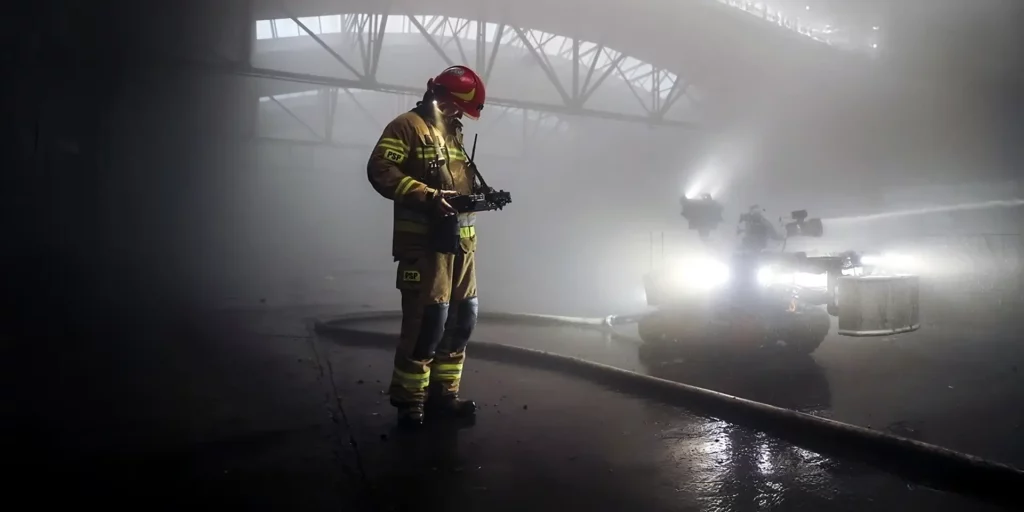
The role of the Colossus robot in the Notre-Dame fire
At 10 p.m., when conditions became too dangerous for human intervention, the Paris Fire Brigade deployed Colossus, a firefighting robot designed by Shark Robotics. Resistant to extreme heat and equipped with thermal and zoom cameras, Colossus entered the cathedral to cool structures, limit fire spread and provide critical visibility in smoke-filled conditions. Operating for nearly 10 hours, Colossus delivered cooling power equivalent to 15 firefighters, stabilizing a critical situation while safeguarding human lives. According to the spokesperson for the Paris Fire Brigade, the Colossus robot « helped extinguish the fire and lower the temperature inside the nave » during the Notre-Dame fire.
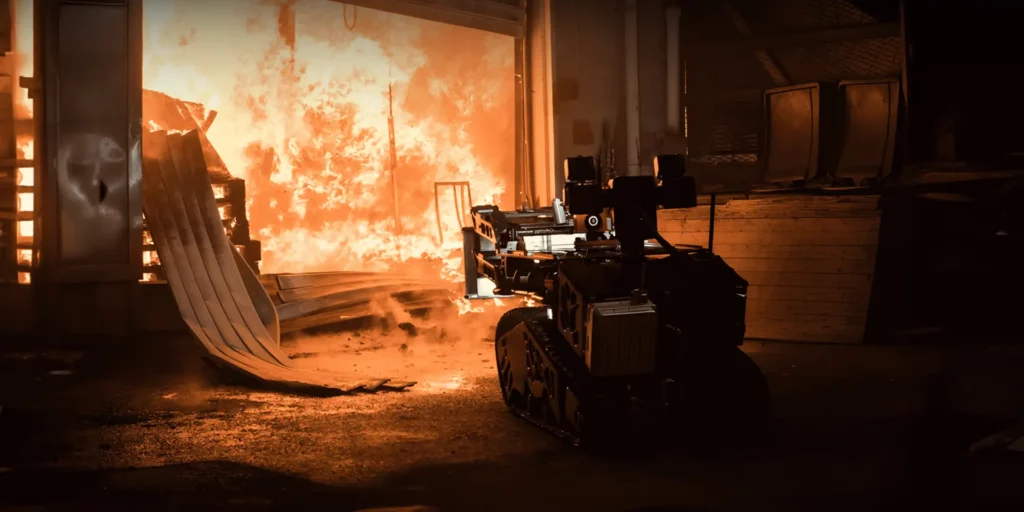
The future of robotics in firefighting
Colossus’ story at Notre-Dame marks a turning point in how robotics is perceived in fire safety interventions. More than a tool, Colossus is a strategic partner demonstrating that technology can serve both heritage and humanity. Developed in close collaboration with the Paris Fire Brigade, Shark Robotics’ robots, including the Colossus, are now present in 16 countries and deployed weekly by numerous firefighting units around the world (parking, warehouses, industries, tunnels fires…).
At Shark Robotics, we believe every mission can succeed through the combined power of human expertise and technological innovation. Together, let’s build a safer, more resilient future.
Follow the story of the Notre-Dame de Paris fire, hour by hour, on our Linkedin article.
FAQ – Colossus firefighting robot at the Notre-Dame fire.
Credits photo : Bastien GUERCHE / Sécurité Civile

Shark Robotics at the India AI Impact Summit 2026: a strategic immersion at the heart of Indian technological innovation
Shark Robotics took part in the India AI Impact Summit 2026 in India 🇮🇳, as part of the French delegation led by Business France, alongside 19 startups from the La French Tech ecosystem. This international mission strengthened our understanding of a rapidly...
Industrial fires : modern strategies for prevention and response
[Pattern] Lorem ipsum dolor sit amet, consectetur adipiscing elit. Suspendisse maximus sapien vitae …
![[VIDEO] Cyrille KABBARA is in War & Politics 24](https://www.shark-robotics.com/wp-content/uploads/2025/12/WP-24-ITW-Cyrille-Kabbara-400x250.webp)
[VIDEO] Cyrille KABBARA is in War & Politics 24
"France is delivering 40 Colossus robots to Ukraine — the same robots that became known worldwide after supporting firefighters during the Notre-Dame fire. Now these technologies will help protect Ukrainian rescuers who work every day under missile and drone attacks....