

In today’s interconnected world, industrial fires represent one of the most significant threats to critical infrastructures and plant safety, with the potential to disrupt entire economies and major facilities in a matter of hours. From sprawling chemical plants, petrochemical centers, and oil refineries, to high-tech manufacturing hubs, the sheer volume of flammable material, combustible dust, hazardous substances, and complex equipment means that even a single ignition spark can trigger devastating incidents. Industrial safety practices and protection measures are critical to reduce the likelihood of workplace injuries, loss, and environmental damage due to fire. What are the modern strategies that industries deploy to prevent, detect, and respond to these high-stakes incidents? And how are new technologies reshaping the future of industrial fire safety and emergency response? Let’s dive into this vital issue, critical for every professional working to ensure compliant, certified operations and protect life.
Understanding industrial fire risks in critical infrastructures
What makes industrial fires particularly dangerous?
Industrial fire hazards are distinct from other types of incidents due to several aggravating factors in various settings:- High volume of flammable materials: Factories, refineries, and storage facilities often house large quantities of chemicals, fuels, and flammable products. In these workplace environments, proper handling and employee training programs are crucial.
- Pressurized installations: Petrochemical processing units and oil facilities involve gases or liquids under pressure, raising the potential for explosion and challenging suppression and protection strategies.
- Complex building structures: Industrial buildings, warehouses, and processing centers often have interconnected spaces, which can hinder evacuation and require specific emergency response measures and evacuation protocols.
- Technological and electrical risks: Facilities depend on high-load electrical equipment, increasing the risk of ignition, arc flash, or explosion as a result of faulty maintenance, overloaded circuits, or outdated processes.
Specific causes in industrial environments
The most common triggers for industrial fires and explosions include:- Gas leaks: Faulty pipes in oil facilities or processing plants can provide the potential for rapid flame spread or major accident.
- Short circuits: Often due to inadequate electrical system inspections or maintenance, a common challenge for plant administration.
- Human errors: Mishandling hazardous material, neglect of safety protocol, or poor training can cause incidents.
- Machine malfunctions: Overheated machinery/equipment, improper lubrication, or insufficient preventive maintenance can ignite fires.
Human, economic and environmental consequences
Industrial fires in critical infrastructures have a devastating impact on employees, businesses, and the environment:- Life and injuries: Such incidents endanger workers, rescue teams, and the public, sometimes with multiple injuries or fatalities.
- Economic loss: Facility shutdowns, supply chain disruption, and direct financial loss to businesses; the challenge is stark. About 70% of companies experiencing a major fire never resume business.
- Environmental damage: Toxic smoke, hazardous substance spills, and water contamination impact entire ecosystems and provide long-term harm to air, soil, and water.
- Reputation: Affected companies suffer lasting damage to brand image, trust, and business continuity, emphasizing the necessity for compliance, best practice, and robust industrial fire protection.
Case study : lubrizol plant fire (france)
On September 26, 2019, a major fire broke out at the Lubrizol chemical plant (an upper-tier Seveso site) causing wide-reaching environmental, health, and economic impact. Approximately 9,500 tons of hazardous chemicals and oil products were destroyed, affecting multiple facilities. The thick smoke and release of harmful substances led to school closures, workplace disruptions, and regional intervention at several levels:- Financial damage: Over €55 million in exceptional charges, including compensation to local farmers whose activities, such as food production, were suspended for safety. The incident set a precedent for robust indemnification programs and business recovery plans.
- Regulatory impact: Regulatory bodies reacted by strengthening standards, guidelines, and industrial safety protocols, requiring industries to proactively implement prevention and emergency measures.
- Reputation and trust: The Lubrizol case revealed challenges in crisis management, highlighting the necessity for improved risk communication, emergency protocols, and certified safety standards (NFPA, OSHA compliance).
Prevention, detection and suppression technologies
Risk mapping and predictive maintenance tools
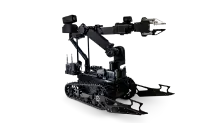
Today, risk mapping, predictive maintenance, and advanced monitoring tools play a central role in industrial fire protection: AI-powered analytics and smart sensors identify and address anomalies before they escalate, providing proactive hazard mitigation. Automated inspections using drones and robotic technology help identify facility vulnerabilities in hard-to-access areas, increasingly common with the inclusion of digitalization in plant practice.Detection systems: heat, smoke, gas
Interconnected fire alarm systems that include heat, smoke, and gas detectors are essential in any industrial setting. Early detection can mean the difference between disaster and recovery; these systems provide real-time alerts, reducing response time, and supporting the professional work of in-house and external emergency teams.Fixed suppression systems in industrial contexts
- Sprinkler systems: A foundational solution for many warehouses and buildings, aimed at containing general fire outbreaks swiftly.
- Foam systems: Used in oil, petroleum, and chemical industries where water may not be effective, foam smothers, impeding re-ignition.
- Inert gas suppression: Essential in electrical departments, server rooms, or high-tech production environments where water would cause further damage.